Gardening Guides, Project Ideas and Realistic Costs
By Martin Butler · Published · 4 min read
Gardening advice tends to fall into two camps: dreamy inspiration with no numbers, or dry horticulture that assumes unlimited time and money. This collection sits in the middle. It is built around projects you can actually finish in a weekend or a season, with honest price ranges so you know what you are committing to before you start digging.
Whether you have a windowsill, a patio or a quarter acre, the useful questions are the same: what does it cost, how much upkeep does it need, and what will you get back? The guides below answer those questions with typical UK and US figures and plain descriptions of the trade-offs.
Start With the Soil, Not the Plants
Almost every disappointing garden traces back to soil that was never fixed. Before buying plants, spend a little on a soil test kit (roughly £10-£25) or a lab test through a local horticultural society. Most vegetables and bedding plants want a pH between 6.0 and 7.0, reasonable drainage and organic matter. If your soil is heavy clay or thin sand, budget for compost and grit rather than fighting it plant by plant.
The cheapest way to improve soil is over time: leaf mould, home compost and mulching. A cubic metre of decent compost delivered in bulk typically runs £40-£90 depending on region, while bagged compost works out far more per litre. Spread 5-8cm as a mulch each autumn and worm activity will do much of the mixing for you by spring.
If your ground is genuinely poor, contaminated or paved over, raised beds are the pragmatic answer. They give you control over depth, drainage and soil mix, and they save your back. The main decision is material, because that drives both cost and lifespan.
- Test pH and drainage before buying plants
- Budget for bulk compost, not bags, on anything larger than a few square metres
- Aim for 5-8cm of mulch annually on beds
- Raised beds solve bad ground faster than years of amendment
Raised Beds: What They Really Cost
A basic untreated timber bed around 1.2m x 2.4m and 30cm deep usually costs £60-£150 in materials, plus £60-£120 to fill with a soil and compost mix. Treated softwood lasts 8-12 years; oak or larch far longer at two to three times the price. Pressure-treated timber is the sensible default for vegetable beds, provided you line it if you are worried about preservatives.
Cedar, composite and galvanised steel beds push the budget to £200-£450 for the same footprint, but they last 15-25 years and need no annual staining. Depth matters more than people expect: 20-25cm suits salads and herbs, while carrots, parsnips and maincrop potatoes want 30cm or more of loose soil. Shallow beds dry out faster in summer, so plan for irrigation.
For a fuller material-by-material comparison with fill volumes and lifespan figures, see our guide to raised garden bed costs and materials.
Greenhouses and Protected Growing
A greenhouse extends your season by roughly six to ten weeks at each end, which is often the difference between a useful harvest and a token one. Small polycarbonate lean-to models start around £250-£500, while a decent 6ft x 8ft aluminium frame with toughened glass sits at £600-£1,500. Timber and bespoke structures run £2,000 upward and usually need a base and possibly planning permission.
Running costs are modest but real: a small electric heater on frost protection might add £10-£30 a month through the coldest spells, and automatic vents are worth the £40-£90 to avoid cooked seedlings. If you are weighing up a modest kit build against a full structure, our small garden greenhouse cost guide breaks down bases, glazing and staging.
Cold frames and cloches deliver a surprising share of the benefit for £50-£150 and take an afternoon to assemble. For many gardeners they are the better first purchase.
Tools Worth Spending On
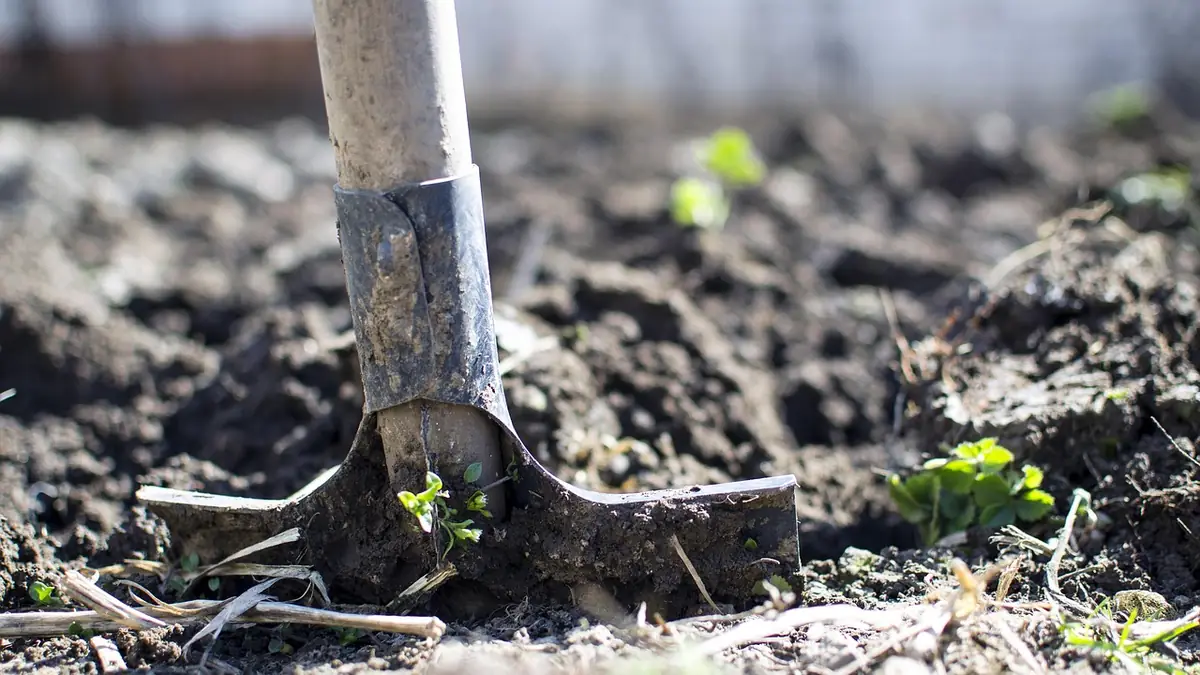
You need fewer tools than the catalogues suggest. A sturdy stainless spade, a fork, a hand trowel, secateurs, a rake and a hose are the core. Buy the spade and secateurs well — £35-£70 and £30-£60 respectively — because cheap versions twist, blunt and end up replaced within two seasons. Everything else can be mid-range.
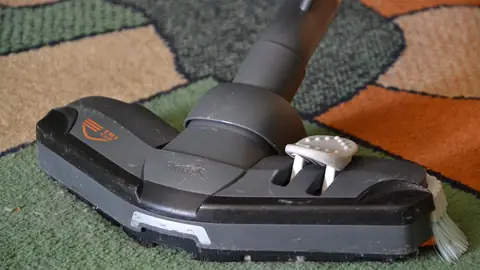
There is one place where machine quality matters more than most: clearing up after the job. Pet hair, leaves and grit all end up indoors, and a vacuum that clogs on the first pass wastes the afternoon. Our guide to the best vacuum for pet hair explains which specifications genuinely matter, and canister versus upright cleaners helps you match the shape to your rooms.
Storage is the quiet cost. A decent lockable shed of 6ft x 4ft runs £350-£800, and it protects the tools you did spend on.
- Spend on spade, fork and secateurs; economise elsewhere
- Stainless blades slide through clay better than painted steel
- Sharpen secateurs monthly during the growing season
- A lockable shed pays for itself in replaced tools avoided
Growing Space Beyond the Lawn
Not everyone has a garden. Patios, balconies and small yards can still produce a serious amount of herbs, salads and tomatoes in containers. The rule of thumb is that a 30cm-diameter pot holds one tomato or a handful of herbs, and containers need watering daily in hot weather — drip irrigation on a timer costs £30-£80 and removes most of the failure risk.
If you are short of ground-level space, outbuildings are worth considering. A garden room or insulated container studio gives you a potting area, tool storage and a dry place to work in winter. Our planning overview on container shops and backyard studios covers permissions and siting, while shipping container conversion costs shows what a larger build involves.
For most households, though, the highest-return investment remains a few square metres of well-prepared, well-watered, well-mulched ground in full sun.
Time, Water and Maintenance
A typical 50-100 square metre garden needs roughly two to four hours a week in spring and summer, dropping to an hour or less in winter. That figure rises sharply with lawn area, hedges and large containers. If your free time is limited, choose shrubs, perennials and mulched beds over annual bedding and clipped hedges.
Water is the other constraint. A sprinkler uses several hundred litres an hour, while hand watering with a can or a drip line uses far less. Rainwater harvesting via a water butt (around £40-£120 plus a diverter) is cheap insurance during hose-pipe bans. Group thirsty plants together so you water one zone rather than the whole plot.
Finally, plan for autumn. Clearing, mulching and pruning in October saves three times the work in April, and it is the single habit that separates gardens that improve year on year from those that slowly decline.
| Project | Materials cost | Expected lifespan | Upkeep per year |
|---|---|---|---|
| Raised bed, treated timber (1.2m x 2.4m) | £60-£150 plus £60-£120 fill | 8-12 years | £0-£20 |
| Raised bed, galvanised steel | £200-£450 plus fill | 15-25 years | £0 |
| Greenhouse, aluminium and glass (6ft x 8ft) | £600-£1,500 | 15-25 years | £20-£60 |
| Cold frame or cloche set | £50-£150 | 5-10 years | £0-£10 |
| Water butt with diverter | £40-£120 | 10-15 years | £0 |
| Garden shed (6ft x 4ft) | £350-£800 | 10-20 years | £10-£30 |
- Fix soil and drainage before spending on plants or structures
- Treated timber raised beds are the best value for most vegetable plots
- A cold frame often delivers more benefit per pound than a small greenhouse
- Two to four hours a week is a realistic summer commitment for a small garden
Martin writes and edits practical guides on homes, gardens, technology and property, with a focus on clear numbers and checklists. He has spent years testing household equipment and following small building projects from planning to finishing. His aim is to make everyday buying and building decisions easier to plan for.