Best Vacuum for Pet Hair: What Specs Actually Matter
By Martin Butler · Published · 5 min read
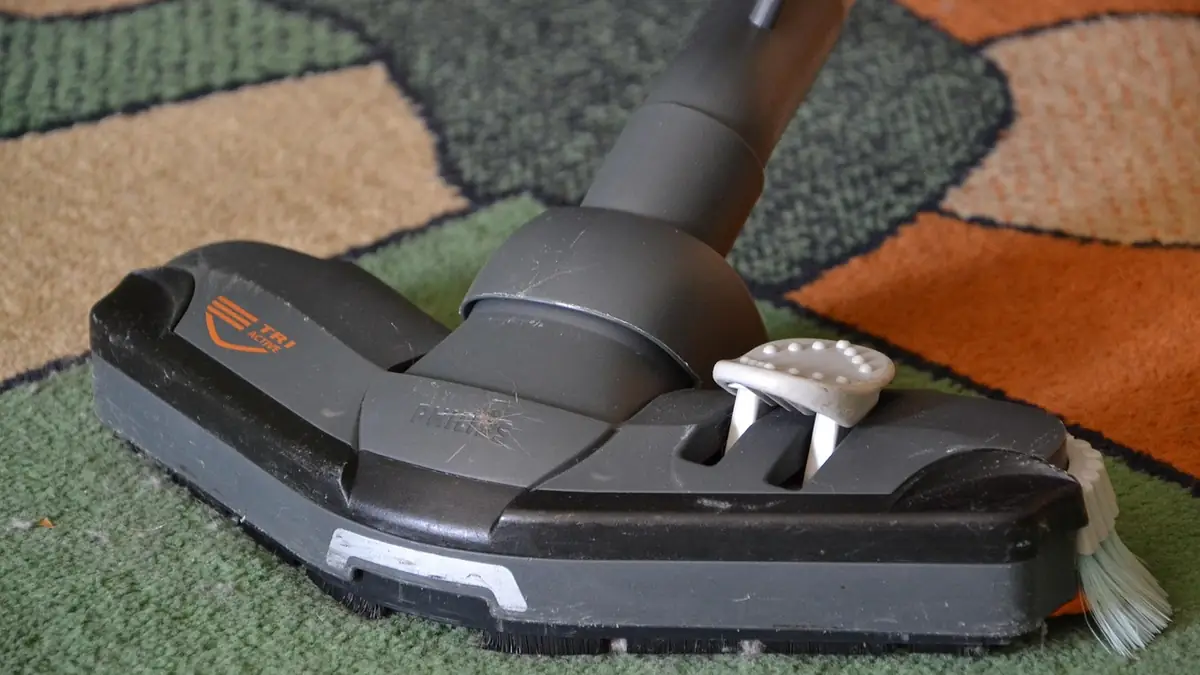
Pet hair is not ordinary dust. It is long, springy and barbed, it clings to upholstery, and it wraps around anything that spins. That is why a vacuum that performs well on a bare hard floor can feel useless the moment a shedding dog walks through the room, and why two cleaners with similar price tags can behave completely differently on the same carpet.
The good news is that you do not need to chase the most expensive model or the loudest marketing. A handful of specifications predict real-world pet-hair performance: airflow through the head, brush-bar design, sealed filtration and how easily the brush can be cleaned. This guide explains what those numbers mean, which ones to check before buying, and where you can safely save money.
Why Pet Hair Behaves Differently to Dust
Pet hair is roughly 0.05–0.1 mm thick but can be several centimetres long, so it behaves more like thread than like grit. On carpet it mats into the pile; on hard floors it blows ahead of the cleaner in a small air wave; on upholstery it hooks into the weave. A vacuum therefore needs two different abilities: enough airflow to lift hair out of fibres, and a mechanical brush or comb that stops it tangling.
The trap is that suction figures printed on the box tell you very little about either. Manufacturers often quote air watts or motor power, which describe the motor rather than what reaches the floor head. Once a filter is half-clogged or a hose is narrow, delivered performance can fall noticeably within a few weeks of pet-heavy use.
- Long hair tangles; short hair mats — the fix is different
- Hair plus dander needs sealed filtration, not just power
- Airflow at the head matters more than motor wattage
Airflow and Suction: The Numbers That Count
Look for airflow quoted in litres per second or cubic feet per minute, and treat anything in the 260–340 air-watt range as a sensible starting point for a mains-powered home vacuum with pets. Cordless models typically deliver far less sustained power; many manage 20–40 air watts on maximum, which is fine for daily touch-ups on hard floors but struggles with deep carpet and embedded hair.
More useful than a single peak figure is how the cleaner behaves as the bin fills. A large bin, in the 1.5–2.5 litre range for bagless machines, keeps airflow steadier between empties. If you have two or more shedding animals, a 0.5-litre handheld bin will need emptying several times per room, which is where owners usually start to regret the purchase.
- Mains power: 260–340 air watts is a realistic target
- Cordless on max: expect 20–40 air watts, short run times
- Bin size: 1.5–2.5 litres for bagless; 3–6 litres for bagged
Brush Bars, Seals and Hose Diameter
A motorised brush bar is the single biggest factor on carpet. Stiff bristle rows work hair out of the pile, while rubber or finned bars are easier to clean and better on delicate hard floors. Anti-tangle designs, usually a tapered bar or a combing ridge, genuinely reduce wrapping, but no brush is fully immune; the practical test is whether you can remove the bar without tools in under a minute.
Hose and wand diameter also matter more than most buyers expect. Narrow 32 mm hoses give strong suction at the nozzle but clog quickly with long hair and pet toys. A 35 mm hose with smooth internal joints clogs less and is easier to rod out. Check the seals at the head and bin too: a worn gasket can cut effective suction at the floor by a noticeable margin.
- Motorised brush bar: essential for carpet with pets
- Tapered anti-tangle bars reduce, but do not stop, wrapping
- 35 mm hoses clog less than 32 mm on long hair
| Type | Weight | Airflow (typical) | Bin capacity | Annual running cost |
|---|---|---|---|---|
| Upright, mains, motorised bar | 6–9 kg | High (260–340 air watts) | 1.5–2.5 L bagless | £15–£40 filters |
| Cylinder, mains, powered head | 5–7 kg plus hose drag | High (250–330 air watts) | 1.5–3 L bagless or 3–6 L bagged | £25–£60 bags or filters |
| Cordless stick | 2–3 kg | Low–medium (20–40 air watts on max) | 0.3–0.7 L | £20–£50 filter and battery wear |
| Handheld, cordless | 1–2 kg | Low (10–25 air watts) | 0.2–0.5 L | £10–£25 filter |
| Robot with brush roller | 3–4 kg | Low–medium | 0.3–0.6 L | £30–£70 consumables |
| Bagged cylinder, quiet model | 5–7 kg | Medium–high | 3–6 L bagged | £25–£60 bags |
Filtration and the Dander Question
Pet hair is the visible half of the problem; dander and fine dust are the half that affects allergy sufferers. A sealed system with a HEPA-grade filter captures particles down to around 0.3 microns, but only if the air path is sealed. Cheap bagless machines often leak around the bin joint, which pushes fine dust back into the room even with a good filter fitted.
Budget for filter maintenance rather than assuming a washable filter lasts forever. Most washable HEPA filters need rinsing every 4–8 weeks in a pet household and replacement every 6–12 months at roughly £15–£35. Bagged machines avoid this dust exposure at emptying, at a running cost of around £25–£60 a year in bags for a busy household.
- Sealed HEPA system beats a good filter on a leaky body
- Washable filters: rinse every 4–8 weeks, replace yearly
- Bagged: cleaner emptying, but £25–£60 a year in bags
Weight, Noise and Storage Realities
A vacuum you avoid using is a false economy. Uprights with motorised heads usually weigh 6–9 kg, which is manageable on one floor but tiring on stairs. Cylinders with a separate powered head often come in at 5–7 kg plus the drag of the hose. Cordless sticks at 2–3 kg are the easiest to grab, which is why they work well as a second machine rather than the only one.
Noise is quoted in decibels: most mains cleaners sit between 70 and 82 dB, and anything above about 78 dB makes conversation difficult. If you clean while pets or children are asleep, a quieter bagged cylinder in the low 70s is worth the extra bulk. Storage also needs planning, especially in flats, so measure the cupboard before buying.
- Upright with powered head: 6–9 kg; cylinder: 5–7 kg
- Cordless stick: 2–3 kg, best as a daily second machine
- Aim for under 78 dB if noise is a concern
What You Can Safely Ignore
Marketing language around pet hair is thick, and several claims add cost without adding performance. "Pet-specific" models are often the same machine with a different colour and a mini turbo tool in the box, a tool you can usually buy separately for £20–£40. Similarly, very high motor wattage figures, sometimes 1,600 W and above, say nothing about airflow at the nozzle once the machine is assembled.
App connectivity, glowing screens and voice alerts rarely change how well hair is removed. The features that do earn their place are simpler: a powered mini tool for stairs and sofas, a brush bar that lifts out easily, a bin you can empty without reaching inside, and a filter you can rinse. Spend there first, then consider extras. For whole-home cleaning comparisons, see Canister vs Upright Vacuum Cleaners: Which Suits Your Home?.
- "Pet models" are often a colourway plus a turbo tool
- 1,600 W+ motor claims rarely reflect floor-level airflow
- Prioritise easy brush removal and tool-free bin emptying
Matching the Machine to Your Home
Flooring mix decides the head. Homes that are mostly hard floor with a few rugs do well with a cylinder and a soft brush, plus a small powered tool for the sofa. Fully carpeted homes with a heavy shedder justify an upright with a motorised bar and a large bin. Mixed homes often end up with a mains upright plus a cheap cordless stick for daily hair on hard floors.
Think about the whole routine, not just the machine. Hair collects in corners, under furniture and along skirting, so low-profile heads and crevice tools matter. If you are fitting out a smaller flat, our Furniture for Small Apartments: A Measurement Checklist helps you plan storage for a vacuum and its tools before you buy.
- Mostly hard floor: cylinder plus powered mini tool
- Mostly carpet: upright with motorised brush bar
- Mixed home: mains cleaner plus a light cordless stick
- Airflow at the floor head and a motorised brush bar matter more than motor wattage
- Sealed HEPA filtration plus regular filter rinsing controls dander, not the filter alone
- A 35 mm hose and a tool-free removable brush bar save hours of unclogging
- Most homes do best with a mains cleaner for deep work and a light cordless for daily hair
Martin writes and edits practical guides on homes, gardens, technology and property, with a focus on clear numbers and checklists. He has spent years testing household equipment and following small building projects from planning to finishing. His aim is to make everyday buying and building decisions easier to plan for.