Buying a New-Build Property: A 12-Point Checklist
By Martin Butler · Published · 4 min read
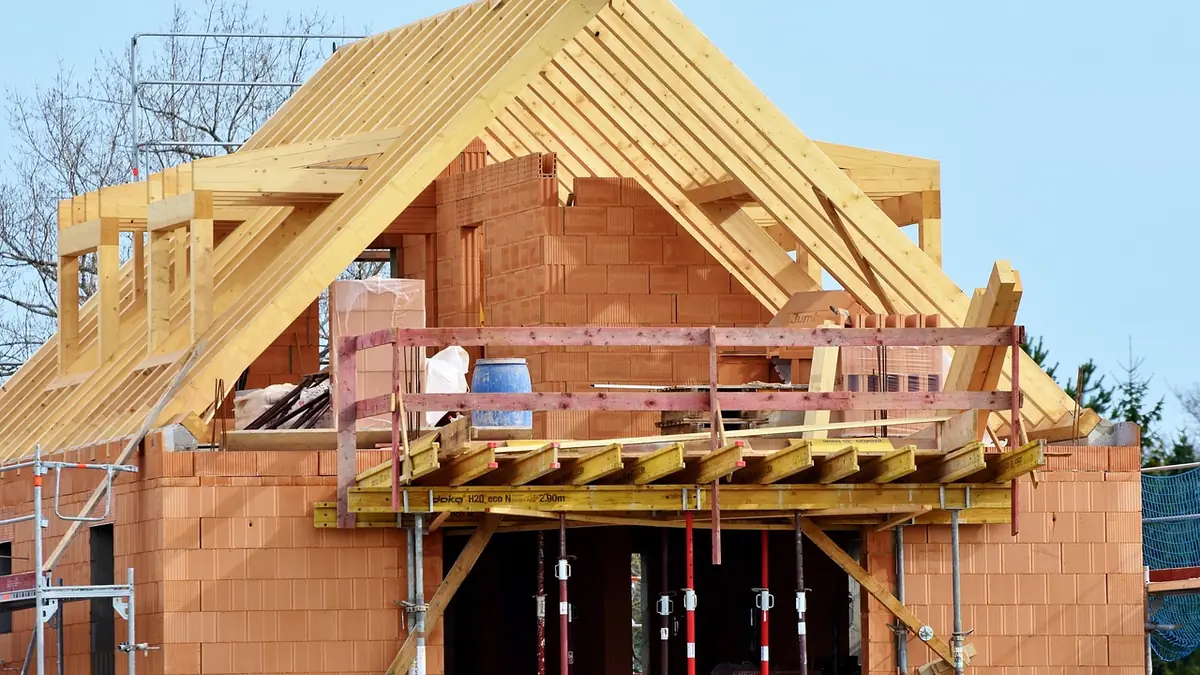
Buying a new-build home can be exciting, but it comes with unique risks. Unlike older properties, new builds may have hidden defects that only appear after you move in. A systematic approach helps you avoid costly surprises.
This checklist covers the key checks to make before you sign on the dotted line, from reviewing the warranty to commissioning a snagging survey. Use it to protect your investment and ensure your new home meets your expectations.
1. Research the Developer and Their Track Record
Before falling in love with a show home, investigate the developer's reputation. Look at completed developments they've built in the last five to ten years. Visit them if possible, and talk to residents about build quality and after-sales service. Online reviews and local Facebook groups can also reveal recurring issues.
Check whether the developer is registered with a reputable warranty provider such as NHBC, Premier Guarantee, or LABC. This is a legal requirement for most new homes, but the level of cover varies. Also, ask about their customer service rating and how they handle snagging complaints. A developer with a poor record can turn your dream home into a nightmare.
- Visit older developments by the same developer
- Speak to current residents about build quality
- Check warranty provider registration
- Look for reviews and complaints online
2. Understand the Warranty and Insurance
New homes typically come with a 10-year structural warranty, but the devil is in the details. Most policies cover major structural defects for the full term, but minor issues are only covered for the first two years. Read the policy documents carefully and ask for a copy before you exchange contracts.
Check what is excluded, such as damp proofing, roofing, and plumbing. Also, confirm the claims process and whether there is a dispute resolution service. Some warranties require you to report defects within a certain timeframe. Make sure you understand your obligations and the developer's responsibilities.
- Confirm the length and scope of the warranty
- Check what is excluded from cover
- Understand the claims process
- Keep all warranty documents safe
3. Commission an Independent Snagging Survey
A snagging survey is a professional inspection that identifies defects and unfinished work. It should be done before you complete the purchase, ideally after the property is watertight but before the final fit-out. Costs typically range from £300 to £600 depending on the size of the property and the surveyor's location.
The surveyor will produce a detailed report with photos, which you can pass to the developer to fix. Some developers may resist, but a good one will welcome the opportunity to put things right. If the developer refuses, consider whether you want to proceed. A snagging survey is your best protection against hidden problems.
- Hire a qualified snagging surveyor
- Schedule the survey before completion
- Get a detailed report with photos
- Use the report to negotiate fixes
4. Check the Specification and Finishes
New builds often come with a standard specification, but developers may offer upgrade options. Make sure you know exactly what is included in the price. Check the kitchen appliances, flooring, tiling, and bathroom fittings. Ask for a written specification and compare it with what you see in the show home.
Also, consider the quality of materials used. For example, are the windows double or triple glazed? What is the energy rating of the boiler? These details affect running costs and comfort. If something is not included, factor the cost of adding it later into your budget. For instance, flooring can cost £2,000-£5,000 for an average home.
- Get a detailed written specification
- Compare with show home
- Check appliance brands and models
- Budget for extras like flooring and landscaping
5. Review the Energy Performance Certificate (EPC)
New builds are generally more energy-efficient than older homes, but standards vary. Check the EPC rating; aim for an A or B. A higher rating means lower energy bills. The EPC will also list recommended improvements, which can give you an idea of running costs.
Look beyond the rating to the actual energy systems. Is there underfloor heating? What type of boiler? Are there solar panels? These features affect both comfort and cost. For a detailed breakdown of running costs, see our guide on vacuum cleaner running costs, which, while focused on appliances, illustrates how energy use adds up.
- Check the EPC rating (aim for A or B)
- Review the recommended improvements
- Inspect heating and ventilation systems
- Ask about renewable energy features
| Category | Common Defects | Typical Fix Time | Cost if Not Fixed |
|---|---|---|---|
| Plumbing | Leaks, poor drainage, incorrect pipework | 1-2 days | £200-£500 |
| Electrical | Faulty sockets, missing earth bonding | 1 day | £150-£400 |
| Plastering | Cracks, uneven surfaces, nail pops | 2-3 days | £300-£600 |
| Joinery | Sticking doors, poor skirting, damaged frames | 1-2 days | £250-£500 |
| Tiling | Loose tiles, uneven grout, incorrect sealing | 1-2 days | £200-£400 |
| Decoration | Patchy paint, scuffs, incomplete coverage | 1-2 days | £150-£300 |
6. Inspect the Surroundings and Future Development
The location of your new home is crucial. Check the local area plan for future developments that could affect your view, noise levels, or access. For example, a new road or commercial building might be planned nearby. Also, consider the current infrastructure: schools, shops, transport links, and healthcare facilities.
Visit at different times of day to assess traffic and noise. If the development is not finished, ask for a site plan showing what will be built and when. Ensure that your property is not adjacent to a proposed play area or bin store. These details can significantly impact your enjoyment of the home.
- Check local planning applications
- Visit at different times of day
- Review the site completion plan
- Consider proximity to amenities and nuisances
7. Budget for Additional Costs
The purchase price is just the beginning. New builds often require extras such as flooring, curtains, and landscaping. Some developers charge for turfing the garden or fitting wardrobes. Stamp duty, legal fees, and survey costs also apply. For a realistic budget, add 5-10% to the purchase price for these additional expenses.
If you're planning a garden, you might want to build a fairy house for the kids. Our guide on building a fairy house offers creative ideas that won't break the bank. Similarly, if you're considering raised beds for vegetables, check raised garden bed costs to plan your spending.
- Include flooring and landscaping in your budget
- Ask about developer incentives
- Factor in stamp duty and legal fees
- Set aside a contingency fund
- Always commission an independent snagging survey before completion.
- Check the warranty terms carefully and keep all documents.
- Budget an extra 5-10% for extras like flooring and landscaping.
- Research the developer's reputation and visit older developments.
Martin writes and edits practical guides on homes, gardens, technology and property, with a focus on clear numbers and checklists. He has spent years testing household equipment and following small building projects from planning to finishing. His aim is to make everyday buying and building decisions easier to plan for.