Buying Property: New Futura Homes
By Martin Butler · Published · 6 min read
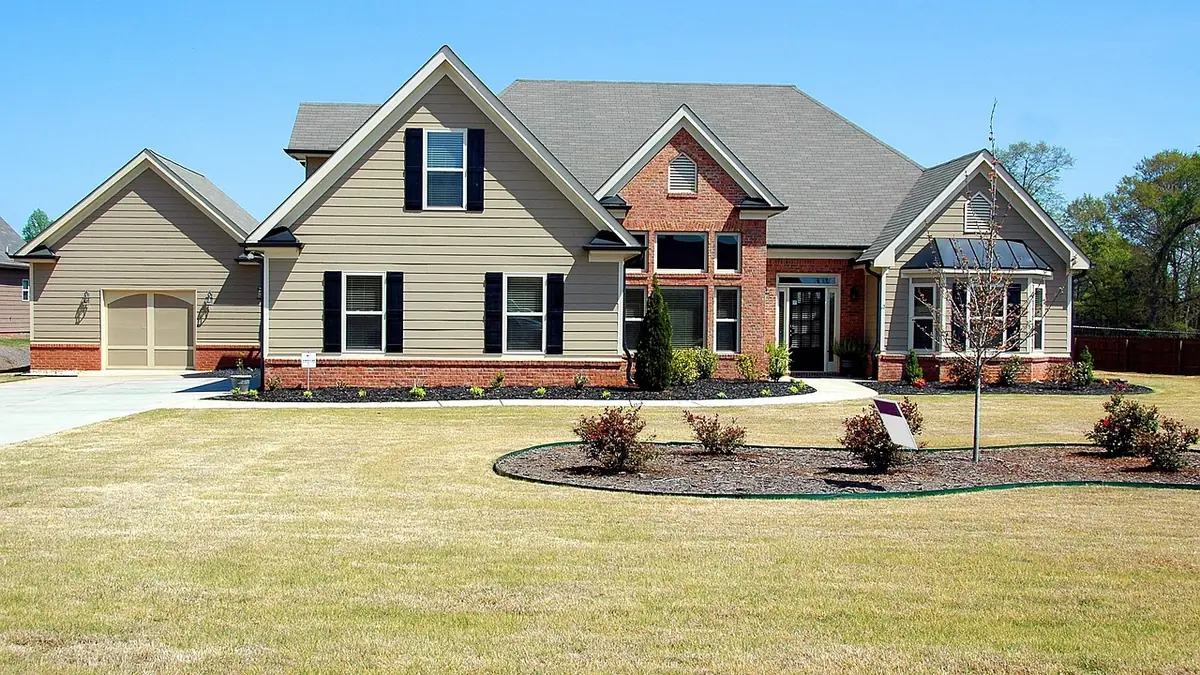
New-build homes sell on certainty: a fixed price, a warranty, and a floor plan you can walk around before anyone has lived in it. But that certainty has to be checked rather than assumed. The developer's specification, the site's build programme and the small print of the reservation agreement all shape what you actually get for your money.
This guide covers the checks worth making before you pay a reservation fee, the costs beyond the headline price, how snagging and warranty cover work, and the documents to read before you exchange contracts.
What a New-Build Actually Includes
Show-home finishes are rarely the standard specification. Ask for the written specification for your specific plot, which should list kitchen appliances, flooring, bathroom fittings, insulation values and the heating system by name or performance. Items shown in marketing suites are often upgrades priced separately, and the difference between standard and upgraded kitchens, flooring and landscaping can run from a few thousand to well over £20,000 depending on the size of the house.
Check what is not included too. Gardens are often turfed and fenced but not planted; driveways may be gravel rather than block paving; and boundary treatments on corner or open-plan plots can differ from the show home. If a view, tree belt or open space matters to you, confirm in writing whether it is part of the approved plans or land the developer can build on later.
Energy performance is one of the genuine advantages of a new build. Modern homes typically achieve EPC ratings of B or above, and heat pumps, mechanical ventilation and high-spec glazing are increasingly standard. Ask for the predicted EPC and the design air-permeability figure, and ask how the heating and ventilation systems are controlled, because unfamiliar systems take a season to learn.
- Written plot-specific specification, not the show-home list
- Upgrade price list before you reserve
- Confirmation of what landscaping and boundaries include
- Predicted EPC and heating system type
- Which items are subject to the developer's choice of supplier
Costs Beyond the Asking Price
The purchase price is rarely the full outlay. Stamp duty or land tax, legal fees, and a survey or snagging inspection are the obvious extras, but new builds carry their own list: reservation fees (often £500–£2,000, usually offset against the price), estate or management charges for shared spaces, and connection or activation costs for utilities. Estate charges of £150–£500 a year are common on developments with ponds, play areas or private roads.
Upgrades are where budgets quietly stretch. Flooring, fitted wardrobes, garden rooms, extra sockets and kitchen substitutions are usually cheaper to arrange before completion, but compare the developer's price with an independent quote. Some developers restrict which trades can work on site before handover, so check the rules before booking your own fitter.
Allow a contingency for the first year. Curtains and blinds for a whole house, a shed, additional landscaping and small fixes can add several thousand pounds. If you are weighing building work later, our guide to container shops and backyard studios sets out the planning basics for garden structures, and the 12-point new-build checklist is a useful cross-check on the developer's own paperwork.
Reading the Reservation and Contract
A reservation agreement usually holds the plot for four to eight weeks while solicitors do their work. Read the cancellation terms: many agreements allow the developer to move you to a similar plot or retain part of the fee if you withdraw, and the definition of 'similar' matters. Ask for the anticipated legal completion date and what happens if the build runs late, including any long-stop date after which you can walk away with your deposit.
Your solicitor should check the title, the planning permission, building regulations approval and any conditions attached to them, plus the management company arrangements and estate charge. Ask specifically about adoption of roads and sewers: until a local authority or water company adopts them, repairs can fall to residents. Also ask about NHBC or equivalent warranty registration, which should be in place before exchange.
- Reservation fee amount and refund conditions
- Long-stop date and late-completion remedies
- Estate charge and management company documents
- Road and sewer adoption status
- Warranty provider and registration number
| Item | Typical range | When it applies | What to check |
|---|---|---|---|
| Reservation fee | £500–£2,000 | On reservation | Refund and transfer conditions |
| Snagging inspection | £300–£700 | Before or at completion | Re-visit included; report format |
| Estate or management charge | £150–£500 per year | Ongoing | Budget, accounts, adoption of spaces |
| Kitchen and flooring upgrades | £2,000–£20,000+ | Before completion | Fixed price list; independent quotes |
| First-year furnishing and landscaping | £3,000–£10,000 | After completion | Contingency in your budget |
| Warranty | Included, typically 10 years | From completion | Provider, exclusions, structural cover |
Snagging and Handover
A snagging inspection before or shortly after legal completion identifies defects: misaligned doors, cracked tiles, poorly fitted skirting, drainage issues and decorating marks. A professional snagging survey typically costs £300–£700 depending on house size, and most inspectors will re-visit after the developer's repairs. You are entitled to inspect the property before completion, so book a walk-through with the site manager and record everything in writing with photographs.
Developers usually have a formal defects period, commonly 12 months, during which they fix items on a reported list. Keep a single running document with dates, photos and responses. Emergency issues such as leaks or heating failures should be reported immediately by phone and then confirmed in writing, because warranty providers expect a paper trail.
Beyond the first year, most warranties move to a structural basis for years two to ten, covering defined elements rather than general wear. Read what is excluded: gardens, boundary walls, non-structural cracking and work by your own contractors are typically outside cover.
Living on a New Development
Buying on a construction site means living with construction. Ask where the remaining phases will be built, what the delivery routes are, and when the site compound and sales suite will close. Noise, dust and diverted footpaths are temporary but can last years on large sites, and the plot next to an unfinished phase may be the quietest bargain on the development.
Services and infrastructure sometimes arrive in stages. Broadband may be available at the show home but not yet connected to your plot, and bus routes or school places may lag behind occupancy. Check connection dates with the developer in writing and have a backup plan for the first months, such as a mobile broadband router.
Finally, consider resale. A new-build premium tends to fade as the development fills and newer phases are released, so buy for the long term where possible. If you plan to extend or add a garden building, our cost guide to raised garden bed materials is a small but useful starting point for budgeting outdoor work.
Questions Worth Asking the Sales Team
Sales staff are helpful but employed by the developer, so put important answers in writing or ask your solicitor to confirm them. The most valuable questions concern timing, specification and control: what is fixed, what can change, and who decides. A short written summary of the answers, emailed to you after each viewing, creates a record that is surprisingly useful if details are disputed later.
Ask about the tenure and lease terms if the property is leasehold, including ground rent review clauses, and about any restrictions in the title, such as parking or permitted development limits. If the home is part of a managed estate, request a sample budget and the previous year's accounts where available.
- Which phase is this plot, and what is built next to it?
- What is the fixed completion window?
- Are there leasehold or estate restrictions?
- Who is the warranty provider and what does year two cover?
- Can I visit the plot with an independent inspector?
Making the Decision
A new build can be an excellent purchase: lower running costs, a predictable specification and a warranty that covers the first decade of structure. The risks are concentrated in the details, which is why the specification, the reservation terms and the snagging process deserve more attention than the show home's styling.
Budget for the extras, keep a written record of every promise, and use your own advisers rather than relying solely on the developer's paperwork. If the numbers work with a realistic contingency and the plot suits you in five years as well as on day one, the certainty a new build offers is worth paying for.
Comparing New-Build Options
It helps to compare plots on the same measures rather than on decoration. The table below gives typical ranges for common considerations; your own figures will vary by region and developer, so treat them as a starting framework for questions rather than a quotation. Ask each developer to fill in the same columns for their plot.
The chart shows roughly how a typical first-year budget splits between the purchase and the extras that follow. It is a reminder that the deposit is not the only cash you need on completion day, and that small items add up faster than most buyers expect.
- Get the plot-specific written specification and upgrade price list before reserving.
- Read the reservation agreement for refund terms and a long-stop completion date.
- Budget for estate charges, upgrades and a first-year furnishing contingency.
- Book a snagging inspection and keep a dated, photographic record of every defect.
Martin writes and edits practical guides on homes, gardens, technology and property, with a focus on clear numbers and checklists. He has spent years testing household equipment and following small building projects from planning to finishing. His aim is to make everyday buying and building decisions easier to plan for.