Vacuum Cleaner Running Costs: Energy, Bags and Filters
By Martin Butler · Published · 4 min read
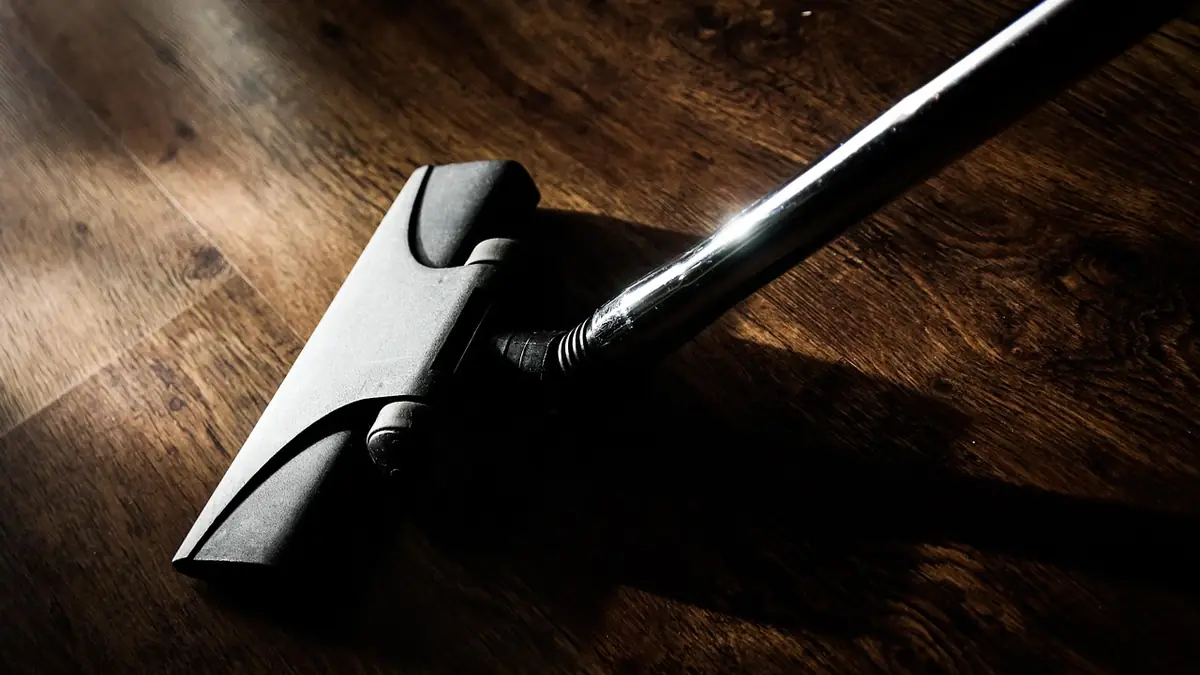
A vacuum cleaner is one of those appliances you buy once and then pay for quietly, year after year. The sticker price is only the beginning: electricity, replacement bags, filters, belts and the occasional repair all add up.
In this article, we estimate typical annual running costs for the most common vacuum types, so you can budget realistically and choose a model that suits your home and your wallet.
How Much Electricity Does a Vacuum Use?
Most upright and canister vacuums draw between 500 and 1,200 watts, with cordless stick vacuums typically using 200 to 500 watts. The actual energy consumed depends on how long you vacuum each week. A household that vacuums for 30 minutes weekly uses about 26 hours of vacuuming per year.
At an electricity rate of roughly 15 to 30 pence per kWh (or 15 to 30 cents in the US), a 1,000-watt vacuum run for 26 hours a year costs between £3.90 and £7.80 (or $3.90–$7.80). A 500-watt cordless model would cost half that. So electricity is rarely the biggest running cost, but it still matters over a decade.
If you have pets or allergies and vacuum daily, your annual electricity cost could easily triple. In that case, choosing a more efficient model or using a robot vacuum for daily touch-ups can help keep bills down.
- Typical power: upright/canister 500–1,200W; cordless stick 200–500W; robot 30–100W.
- Weekly 30 minutes = 26 hours per year.
- Electricity cost per year: roughly £4–£12 ($4–$12) for most homes.
- Daily vacuuming can push annual electricity cost to £20–£40.
Bags, Filters and Belts: The Consumables Budget
If you own a bagged vacuum, bags are your main recurring expense. A pack of 5 bags typically costs £8–£15 ($8–$15), and you might use 6–12 bags a year, depending on usage and bag capacity. That works out to £10–£36 annually. Bagless models avoid this cost but require more frequent filter cleaning and replacement.
Filters vary widely: a HEPA filter for a bagless vacuum might cost £15–£30 and need replacing every 6–12 months, while washable filters can last several years with regular cleaning. Belts on upright vacuums cost £3–£8 and may need changing every 1–2 years.
For a typical household, consumables add up to £20–£50 per year for bagged models and £15–£40 for bagless ones. Robot vacuums have their own consumables: brushes, filters and mop pads, often £20–£40 per year.
- Bagged: 6–12 bags/year, £10–£36.
- Bagless: filters £15–£30 every 6–12 months; washable filters save money.
- Belts: £3–£8 every 1–2 years (uprights).
- Robot: brushes, filters, mop pads £20–£40/year.
Repairs and Replacement Parts
Even well-made vacuums need occasional repairs. Common issues include clogged hoses, broken belts, worn brush rolls and electrical faults. A professional repair might cost £40–£80 ($40–$80), while DIY parts are cheaper: a new hose £10–£20, brush roll £15–£25, or a battery for a cordless vacuum £40–£80.
Cordless vacuums have batteries that degrade after 3–5 years; replacing one can cost £50–£100, which is a significant running cost to plan for. Robot vacuums may need new wheels or sensors after several years, but these are less common.
On average, setting aside £20–£50 per year for repairs and parts is sensible, especially if you own a cordless or robot vacuum. Extended warranties are rarely worth it for budget models, but for premium vacuums they can sometimes pay off.
- Professional repair: £40–£80.
- Common DIY parts: hose £10–£20, brush roll £15–£25, belt £3–£8.
- Cordless battery replacement: £50–£100 every 3–5 years.
- Budget £20–£50 per year for repairs and parts.
Total Annual Running Costs by Vacuum Type
Adding up electricity, consumables and a repair allowance gives a clearer picture. A basic bagged upright might cost £30–£60 per year to run, while a bagless canister could be £25–£55. Cordless stick vacuums, with their battery replacements, often land at £30–£70 annually.
Robot vacuums have lower electricity use but higher consumable costs, typically £25–£50 per year. Central vacuum systems use more electricity but have large capacity and few consumables, so running costs are moderate: £20–£50 per year, though installation is costly.
These figures assume typical household use—vacuuming 30 minutes a week. Heavy users should scale up accordingly. Remember that a cheap vacuum with high consumable costs can end up more expensive than a pricier efficient model.
- Bagged upright: £30–£60/year.
- Bagless canister: £25–£55/year.
- Cordless stick: £30–£70/year.
- Robot: £25–£50/year.
- Central vacuum: £20–£50/year (plus installation).
| Vacuum type | Electricity | Bags/filters | Repairs allowance | Total per year |
|---|---|---|---|---|
| Bagged upright | £5–£10 | £10–£36 | £15–£20 | £30–£66 |
| Bagless canister | £5–£10 | £10–£30 | £10–£20 | £25–£60 |
| Cordless stick | £3–£6 | £10–£30 | £15–£35 | £28–£71 |
| Robot vacuum | £1–£3 | £20–£40 | £5–£10 | £26–£53 |
| Central vacuum | £8–£15 | £5–£15 | £10–£20 | £23–£50 |
Hidden Costs: Storage, Space and Energy Tariffs
Beyond the obvious, vacuums have hidden costs. They take up storage space—a cupboard or a corner—which in small apartments can be a real trade-off. If you're tight on space, a compact cordless model might save room but cost more in battery replacements. Our guide to furniture for small apartments can help you plan storage.
Electricity tariffs matter too. If you charge a cordless vacuum during peak hours, you'll pay more than charging overnight on a cheaper rate. Similarly, using a vacuum with a higher wattage during peak times adds to the bill. Switching to a time-of-use tariff could cut charging costs by a third or more.
Finally, consider the cost of your time. Bagless models require frequent emptying and filter cleaning, while bagged models are quicker to maintain. If your time is valuable, a bagged vacuum might be worth the extra consumable cost.
- Storage space: a hidden cost in small homes.
- Charge cordless vacuums off-peak to save.
- Time: bagless needs more maintenance.
- Energy-efficient models may cost more upfront but save over years.
How to Keep Running Costs Low
Regular maintenance is the simplest way to avoid premature repairs and keep suction strong. Clean or replace filters as recommended, empty bags before they're full, and check for clogs in hoses and brush rolls. A well-maintained vacuum uses less energy because it doesn't have to work as hard.
When buying, look for models with washable filters and readily available, reasonably priced bags. Avoid vacuums with proprietary bags that cost a fortune. For cordless models, check battery replacement costs before you buy—some brands charge £80 or more for a new battery.
If you're handy, learn basic repairs like changing belts and clearing blockages. And if you're planning a home office or garden room, remember that vacuuming there adds to running costs—see our guides to container shops and backyard studios and small garden greenhouse costs for broader budgeting.
- Maintain filters and bags regularly.
- Choose washable filters and affordable bags.
- Check battery replacement cost before buying cordless.
- DIY simple repairs to save money.
- Electricity is a minor cost for most vacuums—typically under £12 per year.
- Bags and filters are the main recurring expense, ranging from £10 to £40 annually.
- Cordless vacuums have hidden battery replacement costs of £50–£100 every few years.
- Regular maintenance and choosing models with affordable consumables can keep running costs low.
Martin writes and edits practical guides on homes, gardens, technology and property, with a focus on clear numbers and checklists. He has spent years testing household equipment and following small building projects from planning to finishing. His aim is to make everyday buying and building decisions easier to plan for.